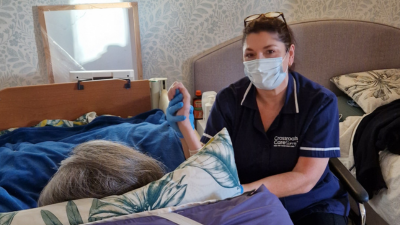
A person with care needs at the end of their life may not need to spend time in a hospice, or a hospital. Instead, they can spend their last days at home, in a familiar place, while trained, compassionate professionals take care of all of their care needs.
In this post we’ll outline what to expect from end of life care at home and let you know how you can arrange for end of life care at home.
End of Life Care at Home – What Type of Help is Available?
If you want to arrange for end of life care at home, you have a range of options, depending on your specific care needs:
- Community nurses can visit your home and provide essential nursing care.
- Dedicated palliative care nurses can visit your home, to help with personal needs, while advising on pain and symptom control. They can also provide practical and emotional support needs, both for the person receiving end of life care, and their family, along with some companionship care services.
- Additional professionals can also visit the home to provide more specialist care services. This could include support with eating, with medication management, and with moving and handling.
What to Expect From End of Life Care at Home
High quality end of life care should be tailored to the person who needs it. The person receiving end of life care should be involved in every decision made about them, and the care they receive.
Some people may struggle to communicate as they reach the end of their life, which is why it’s a good idea to have a personalised care plan in writing. It is also important to review this care plan as the situation develops, and to amend it accordingly.
Comfort and dignity are two of the top priorities for end of life care. And it is also vital to consider the needs of the surrounding family, and anyone else close to the person receiving the care.
You can read the full NHS guidance to what to expect from end of life care.
How to Prepare Your Home For End of Life Care
You may have to make changes to your home to accommodate the needs of someone approaching the end of their life.
This might involve:
- Moving their bed downstairs, or to somewhere where they can easily access the toilet and other facilities.
- Adapting your home for their mobility needs.
- Buying or hiring new mobility aids, including walking frames and commodes.
- Making things more comfortable. This might involve getting thicker curtains for your windows, using portable heaters to warm up rooms, buying more blankets and cushions, and so on.
The specific changes and preparations you make will depend on the person’s unique care needs. Once again, it helps to outline these in a care plan.
You can also talk to your GP for advice on how the person’s care needs may develop as their condition progresses.
How To Arrange For End of Life Care at Home
A good first step is to contact your GP, to ask for a care assessment. If you meet the criteria, you may then be able to access end of life care at home services from your council.
You could also see if any charities or other voluntary organisations offer end of life care services in your area.
Depending on your specific care needs, you may be able to get support from hospices in your area. This could include the person spending one or more days a week at the hospice, where they can receive specialist care services, and the rest of their time at home.
Get End of Life Care at Home With Crossroads Direct
Our Crossroads Direct services can help you get the compassionate, specialist end of life at home care you need.
We offer a range of discounts for new clients, and our dedicated team will work closely with you to design a bespoke care plan that meets your specific needs. We also have some funded options, which may mean we can pay for your respite care services ourselves.
Find out more and get in touch for a free care and support consultation today.