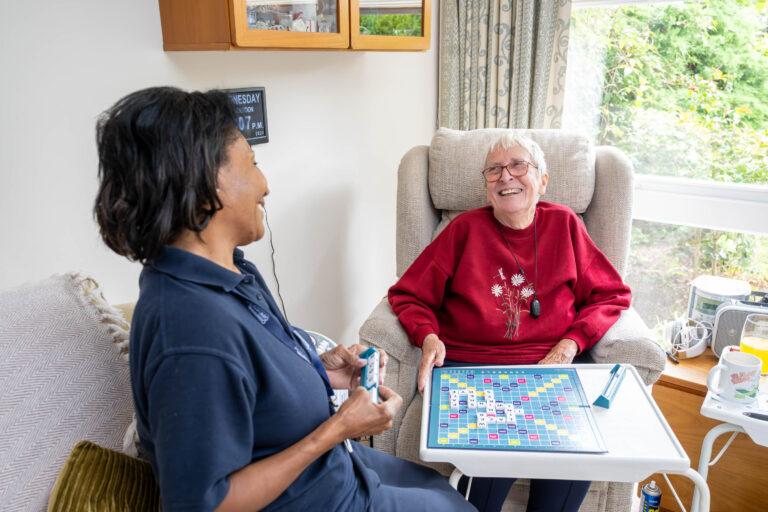
Elderly people, and people with illnesses or disabilities, often struggle with loneliness or isolation. Even if a person’s care needs are being met, they will still need a friend, or someone to talk to.
This is where companionship care and befriending services come in. This is a way to get emotional support, essential social interaction, and other non-medical, yet still vital, services.
What is Companionship Care?
Companionship care is a form of non-medical care for older people, for people with complex care needs, and for people coping with long-term illnesses or injuries.
While some professional care services will take care of an individual’s essential needs – cooking, cleaning, dressing, washing, medication etc. – companionship care aims to tackle loneliness, isolation, and other challenging feelings.
How Does Companionship Care Work?
Companionship care will usually take place in the home. The companionship care provider will visit the person needing care for a few hours. During this time, the carer might handle some everyday tasks, such as cooking and cleaning, and they may even help with more complex care needs, such as medication management. But mainly, they’re there to offer conversation and companionship.
It might be something as simple as a cup of tea and a chat. Or it might involve day trips or outings. It all depends on the individual’s specific needs, and their specific situation. But in any case, just having someone around to talk to can make a huge difference to a person’s mental health and emotional wellbeing.
Benefits for Companionship Care
Companionship care can:
- Help people deal with complex feelings.
- Boost independence through helping people develop certain social skills.
- Improve a person’s physical health through outings, walks in the park, and assistance with daily tasks.
Ultimately, companionship care is all about boosting a person’s wellbeing through eliminating loneliness and isolation, and instead giving them a renewed sense of purpose in their life.
What Are Befriending Services?
Befriending services are similar to companionship care services, and some might use the terms interchangeably. But there is a difference, and the clue is in the names: Companionship care may also include some essential care services, whereas befriending services are all about forging friendships and connections.
How Do Befriending Services Work?
Befriending services can work in a number of ways:
- In person – In which a volunteer will visit a person’s home for a chat. Or they may meet them in a public place, or accompany them to a centre where they can meet others
- Over the telephone – The volunteer will regularly call the person for a conversation, or to offer reassurance, or to talk through thoughts and feelings
- Online – A face-to-face catch-up using Zoom or a similar online meeting platform
The type of befriending service a person receives will depend on their specific needs. For instance, someone with mobility issues might prefer telephone or online befriending services, as it would mean they don’t need to leave the house.
How To Arrange For Companionship Care or Befriending Services
If you, or someone you know or care for could benefit from companionship care or befriending services, then you have a range of options for getting the support you need:
- Contact your local council, to ask about companionship care services in your area
- Find a charity or a local care provider that offers companionship care services
- Find a charity that runs local befriending services close to you
Befriending services may be offered by volunteers, which may mean that they’re free. But companionship care is a form of home care, which may mean that you have to pay.
Home carers can cost around £15 to £30 an hour. They might visit the home up to three times a week, which may mean that companionship care will cost between £45 and £90 a week.
Some charities offer funded companionship care services. You may also be eligible for financial support from your council.
Get Specialist Companionship Care With Crossroads Direct
With Crossroads Direct, you can pay for the services of a companionship carer for home visits, or for regular contact via telephone or other means.
We offer a range of discounts for new clients, and our dedicated team will work closely with you to design a bespoke care plan that meets your specific needs. We also have some funded options, which may mean we can pay for your respite care services ourselves.
Find out more and get in touch for a free care and support consultation today.