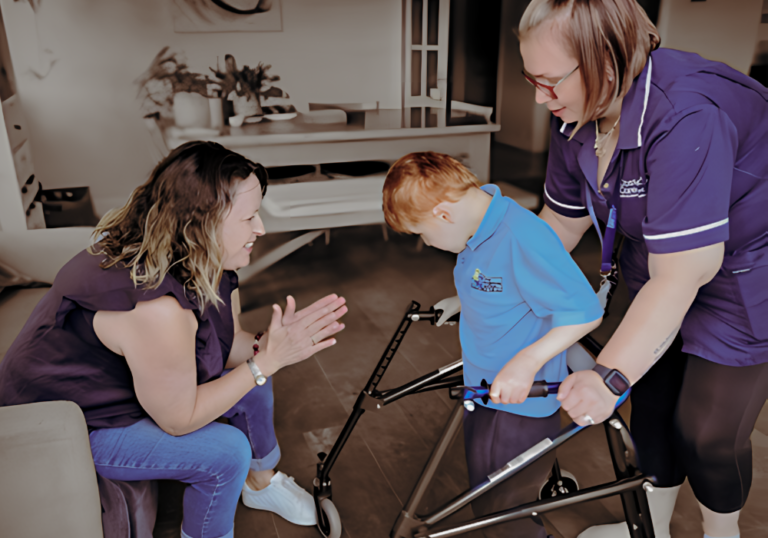
When we talk about moving and handling in care, we’re talking about using a range of equipment and techniques to help people with mobility issues while minimising the risk of injury.
As well as prioritising safety and efficiency, good moving and handling will also help patients retain their dignity and independence, while helping carers avoid strain and injuries.
What Does Moving and Handling in Care Involve?
In a care setting, moving and handling involves using specialist tools, equipment, and techniques to assist patients with certain movements.
This might include help with:
- Getting in and out of bed, or transferring from a bed, or a chair, to a wheelchair.
- Safely repositioning a patient in bed.
- Moving around the house, care home, or hospital on foot.
- Washing, using the toilet, and other personal hygiene tasks.
The Benefits of Good Moving and Handling in Care
With thorough risk assessments, along with the right training and equipment, good moving and handling can make a huge difference to a patient’s safety, independence, and dignity. It can minimise the risks of falls or other injuries, and it can also ensure that the patient is only ever moved with the utmost of care and respect.
Good moving and handling techniques are good for carers too. Through minimising the need for manual lifting, moving and handling procedures can reduce the risk of strain or other physical injuries.
Moving and Handling Techniques and Equipment
- Standing aids: These can help patients who are able to stand improve their mobility over time.
- Mobility aids: These include wheelchairs and walking frames, which can help patients with limited mobility move around.
- Hoists and transfer boards: These can safely, quickly, and comfortably transfer patients from beds, chairs, and wheelchairs as necessary. There are multiple different types of hoists available, each of which is suited to a different task. Examples include overhead lifts and sit-to-stand lifts.
- Sliding sheets: These are for safely repositioning patients in bed.
Moving and Handling Training and Regulations
Training
Carers often need specialist training in effective moving and handling. As well as covering how to use each piece of moving and handling equipment, the training will also cover certain ethical matters, such as how to respect a patient’s privacy and dignity while helping them to move.
Regulations
Carers will also need to follow certain regulations when carrying out their moving and handling responsibilities. For example, the Lifting Operations and Lifting Equipment Regulations 1998 (LOLER) outlines steps that carers must take in ensuring that all moving and handling equipment is safe and fit for purpose.
Policies
As well as following the correct operating techniques and procedures, regular checks and ongoing maintenance are also important. This is why all care providers should design and implement a moving and handling policy, to ensure that everyone understands their key responsibilities.
Moving and Handling Support at Home With Crossroads Care Surrey
If you live in Surrey or by its borders, you can get bespoke support at home with the Crossroads Direct service. This can include mobility support with specialist moving and handling equipment and techniques.
Learn more about Crossroads Direct home help services. For more information, call 01372 677 831.