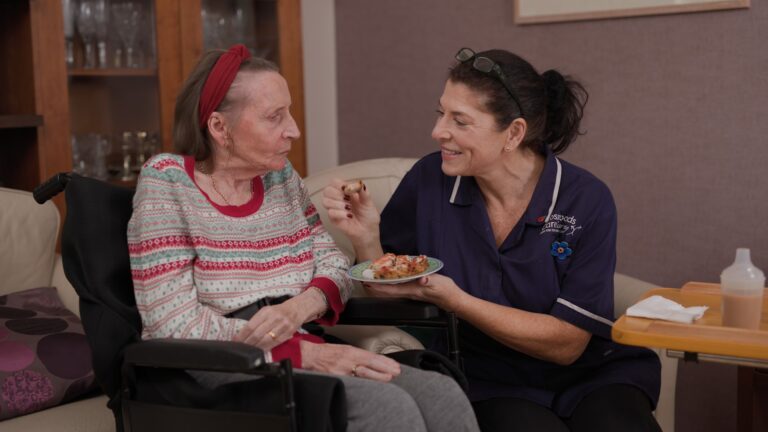
If you’re caring for someone with dementia at home, then there are some steps you can take to make your home more “dementia friendly”.
In this post we’ll explore how you can create a safer environment, before discussing some options should you wish to get any extra home help.
Key Challenges When Caring For Dementia Patients at Home
Symptoms of dementia can include confusion, memory loss, and a difficulty in learning new things. This means that someone with dementia may sometimes forget:
- Where they are
- Where certain things are stored
- How certain things work
How to Make Changes at Home for Family Members with Dementia
You can make certain changes to your home to make it safer for a person with dementia. However, you should not make any major changes overnight, as this could cause some distress. Instead, aim to make a few simple adjustments here and there to make the home safer, without making it feel unfamiliar.
And if you’ve not done so already, it’s a good idea to get a needs assessment from your local council. This might include some recommendations on changes you can make to your home to make it more accessible.
How Labels, Signs and Colours Can Help with Dementia
Clear labels and signs can help a person with dementia find their way around the home. They can also provide reminders, to ensure that they never leave the house without their keys, for example. You could also include useful pictures, such as a picture of a toilet on your bathroom door.
Any labels or signs you use should be a contrasting colour with the background, to make them stand out. Over time, you could aim to create contrasting colours throughout the house, which might help the person with dementia find their way around. For example, a toilet seat or a banister will stand out if it’s a different colour from the rest of the room.
When thinking about colours, try to avoid patterns and stripes, as they can cause confusion.
How Lighting and Reflections Can Help People with Dementia Avoid Confusion
Better lighting can help people with dementia avoid confusion. It can also help to reduce the risk of falls.
Keep the curtains open during the day, and ensure that’s nothing blocking the light. This might involve trimming back any hedges and trees in the garden while removing any unnecessary nets or blinds.
To reduce the risk of falls and other accidents, prioritise lighting the stairs and the bathroom. If possible, install automatic light sensors to ensure that these areas are always lit, whenever there’s someone around.
While increasing the levels of even and natural light, you should try to avoid as much as possible any shadows, glares, and reflections. Reflections can be distressing for people with dementia, as they may not recognise themselves. A way to support someone with dementia may be to cover mirrors and close curtains at night to avoid unnecessary anxiety.
But beyond this, it’s also important to keep the bedroom dark at night, as this can help with sleep.
Tips for How to Care For Dementia Family Members at Home
- Family members with dementia may find audibly busy environments difficult, ways to manage this is to turn off the radio or television if nobody’s currently watching or listening. If you’ve got laminate, vinyl, or wooden flooring, in the long-term perhaps getting this replaced with a soft carpet will help to absorb background noise. Curtains and cushions can help too
- Take care with placing any mats or rugs on the floor. A person with dementia may think that this is something they need to step over, which could result in a fall. Similarly, avoid shiny or reflective flooring, as they may think it’s wet and slippery
- Look for dementia-friendly household items, such as telephones and remotes with larger buttons, and clocks with large and clear LCD displays. Certain devices can also give the person a reminder, to take their medication or to lock the front door
- In the garden, try to keep any walking surfaces flat and clear of obstructions. Also make sure that the outside space is secure, so that the person with dementia cannot wander off
- Try to stick to a routine. Allow more time for everyday tasks, and aim to be as patient and understanding as possible
- Let the person with dementia help with everyday tasks, as much as they are able. This will help them retain their independence and their quality of life
You can read the full NHS guidance to looking after someone with dementia.
Caring For Dementia Family Members at Home – Help and Support
If you are looking after someone with dementia, then there is lots of help available:
- Home help – A qualified carer can visit the home and give the person with dementia the help and support they need, as often as they need it
- Companionship care – A trained carer can visit and offer companionship, which can help the person with dementia stay connected and retain their social skills
- Respite care – If you are caring for someone with dementia, then with respite care you can take a well-earned break. A qualified carer can temporarily look after the person you care for, allowing you to get some much needed time for yourself
If you live in Surrey or by its borders, you can get bespoke home help for people with dementia with the Crossroads Direct service.
Whether you need some respite care, some companionship services, or a dedicated home help carer, we’re here to help. Our dedicated team will work closely with you to design a bespoke care plan that meets your specific needs.
Find out more and get in touch for a free care and support consultation today.