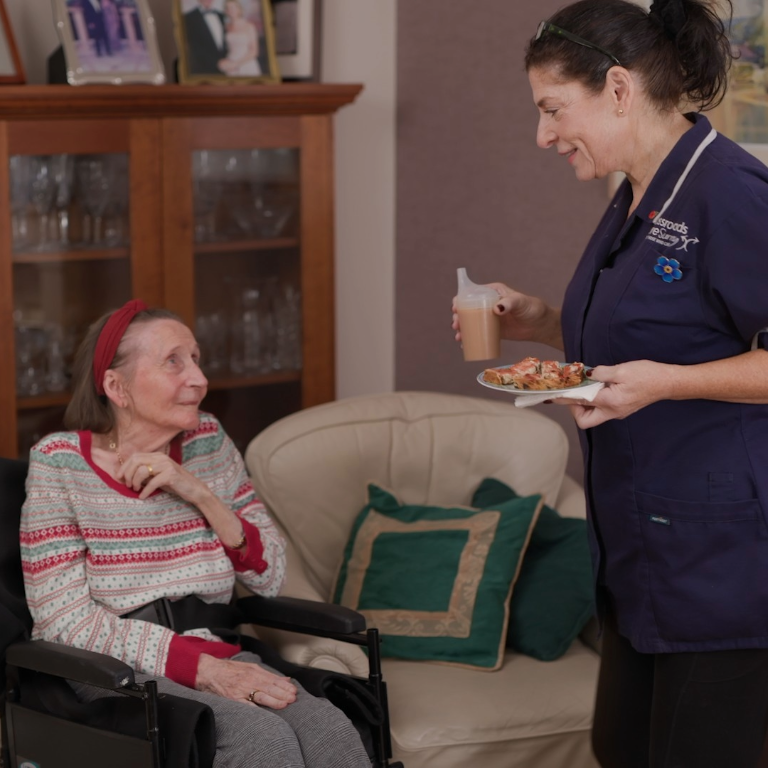
Personal care can help you, or someone you care for, with a range of essential living tasks. This can help people with care needs, mobility issues, or long-term illnesses or injuries live clean, comfortable, and dignified lives.
In this post we’ll explain what personal care involves, and discuss how you can arrange for personal care services for yourself, or for someone you know.
What Does Personal Care Involve?
Personal care involves support with a number of personal tasks, including:
- Mobility support, including getting in and out of bed, and moving around the home
- Personal hygiene support. This can vary depending on the person’s needs, but it can include assistance with bathing, showering, dressing, grooming, shaving, and washing
- Assistance with using the toilet, or with changing incontinence products
- Medical support, including assistance with medication, with changing catheters, and managing stomas etc.
- Help with eating and drinking, and cleaning up afterwards
Beyond this, personal care can involve some everyday housework tasks, including cooking, housework, and laundry. It can also involve companionship, as the carer will aim to establish a real connection with the person they’re supporting.
Who Is Personal Care For?
Anyone with mobility issues or complex care needs could benefit from personal care. This might include elderly individuals, people with learning disabilities, people recovering from injuries or operations, and people with chronic or long-term conditions such as arthritis and dementia.
The care plan will always be tailored to meet the individual’s specific needs, and care agencies will ensure that the carer and the person receiving care are a good match, to help with companionship.
How Does Personal Care Work?
Personal care is often delivered in the home, either by a live-in carer, or by a visiting carer. In the latter case, the carer may visit at key times each day, for help with tasks such as getting out of bed, preparing meals, or taking medication.
Personal care may also be delivered in a residential setting, with the person requiring care moving into a nursing home to receive tailored, round the clock support.
Why is Personal Care Important?
If an individual loses the ability to take care of certain personal hygiene or support tasks, then personal care can:
- Help them retain their dignity and quality of life.
- Help them stay clean, comfortable, and in control.
- Improve their physical, emotional, and mental wellbeing with the added companionship that a carer will bring.
How to Arrange For Personal Care Services
You have a range of options for arranging for personal care services:
- Contact your local council for a care needs assessment.
- Find a charity that offers personal care services in your area.
- Contact a care provider to arrange your own personal care services.
With Crossroads Direct, you can pay for personal care services either for you, or for someone you know. Our friendly and compassionate team will work with you to design a bespoke personal care plan that meets your specific needs
We also have some funded options, which may mean we can pay for your respite care services ourselves. But if you don’t qualify, we offer a range of discounts for new clients.
Find out more and get in touch for a free care and support consultation today.